
Google Nest End of Support Leaves Owners Scrambling for Options
Google Nest End of Support Leaves Owners Scrambling for Options
Google has officially ended software support for a range of older Nest devices, leaving smart home owners facing the reality that their connected gadgets may soon stop receiving critical updates and security patches.
Support Termination Affects Multiple Nest Product Lines
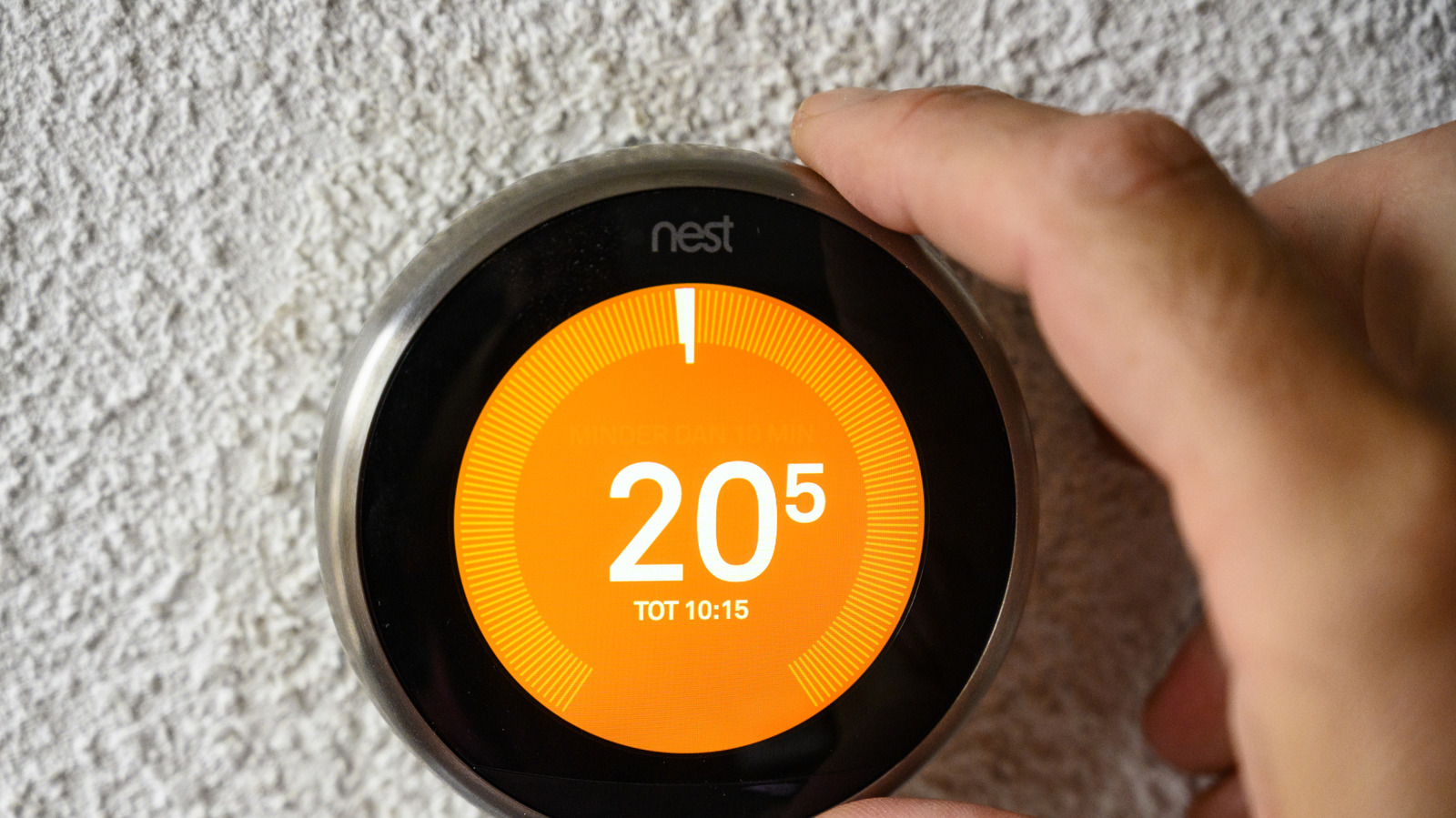
Google has concluded its end-of-support timeline for several legacy Nest products, including early-generation Nest Learning Thermostats, original Nest Cam models, and first-generation Nest Mini speakers. These devices will no longer receive software updates, security patches, or new feature additions from Google's servers.
The move affects devices that were purchased as recently as five years ago, many of which are still actively controlling home heating systems, monitoring security footage, or playing music through smart speakers. Without ongoing support, these devices face potential security vulnerabilities and compatibility issues as Google's ecosystem continues to evolve.
Homeowners Must Decide Between Replacement and Disposal
With their devices effectively frozen in time, Nest owners now face difficult decisions about their smart home investments. The most straightforward option involves continuing to use the devices until they naturally fail, though this approach carries security risks for internet-connected cameras and microphones.
Alternatively, many owners are evaluating replacement strategies, weighing the cost of new Nest devices against competing smart home platforms. Some consumers are discovering that older Nest devices may retain partial functionality even without official support, though Google has indicated that core services could eventually cease entirely.
Sustainability Concerns Mount as Smart Home Lifecycle Shortens
The Nest support termination reflects a broader industry challenge around the lifespan of connected devices. Unlike traditional appliances that can function for decades, smart home gadgets depend on continuous software maintenance to remain secure and useful. This creates a tension between technological advancement and consumer investment protection.
Environmental advocates have long warned about the electronic waste implications of prematurely obsolete smart devices. The average smart home device contains rare earth metals and complex circuitry that requires specialized recycling processes. Many municipalities lack adequate e-waste infrastructure to handle the growing volume of discarded smart home equipment.
What to Watch as Google's Smart Home Strategy Evolves
Nest owners should monitor their devices' performance closely over the coming months, as Google typically maintains basic functionality even after official support ends. However, authentication services and cloud connectivity may gradually degrade, particularly for devices that rely on Google's servers for core operations.
Consumers seeking alternatives are watching for trade-in programs or upgrade incentives that Google may introduce to encourage migration to newer Nest models. Meanwhile, third-party smart home platforms are positioning themselves as more sustainable options, emphasizing longer support commitments and modular upgrade paths that preserve existing hardware investments.